- sales@biolabmarket.com
- +1 (469) 819-5592

Spray Drying in the Food Industry
Spray drying is one of the most widely used methods in the food industry for converting liquid food materials into dry powders, typically using specialized equipment known as a spray dryer. This technique allows manufacturers to preserve flavors, nutrients, and shelf life while producing a consistent and easily manageable product. From milk powder to instant coffee and spices, spray drying plays a critical role in modern food production.
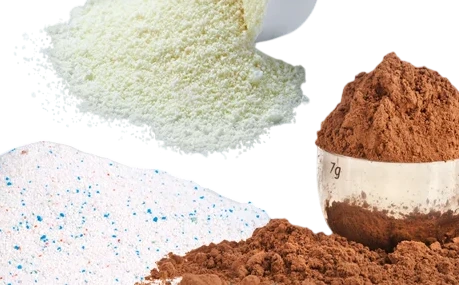
What is Spray Drying?
Spray drying is a process where a liquid solution, suspension, or slurry is atomized into small droplets and exposed to a hot drying medium, usually air. The water in the droplets evaporates rapidly, leaving behind fine solid particles. The resulting powder is collected from the drying chamber, producing a product with controlled particle size and moisture content.
Key components of a spray dryer include:
- Atomizer or Nozzle: Converts liquid feed into fine droplets.
- Drying Chamber: Where hot air rapidly evaporates moisture.
- Cyclone Separator or Filter: Collects the dried powder.
This process is highly efficient, scalable, and suitable for heat-sensitive materials, making it ideal for the food industry.
Applications of Spray Drying in the Food Industry
Spray drying has revolutionized food processing by enabling the production of a wide range of powdered products:
Dairy Products
Milk powder is one of the most common spray-dried food products. Spray drying allows for:
- Long shelf life without refrigeration.
- Preservation of flavor and nutrients.
- Easy transport and storage.
Other dairy applications include whey protein powders, infant formula, and flavored milk powders.
Coffee and Beverages
Instant coffee and powdered tea are produced using spray drying. The process ensures:
- Consistent solubility in water.
- Retention of aroma and flavor compounds.
- Efficient packaging and distribution.
Spray drying also applies to powdered drink mixes, fruit juices, and nutritional supplements.
Spices and Flavors
Spray drying is ideal for encapsulating spices, herbs, and flavors:
- Prevents flavor degradation during storage.
- Produces uniform powder for consistent taste.
- Enhances shelf life by reducing moisture content.
Microencapsulation via spray drying allows sensitive flavors to be protected until consumption.
Sweeteners and Sugars
Sugar powders, high-fructose corn syrup powders, and artificial sweeteners are often spray-dried for:
- Precise particle size.
- Better solubility in beverages.
- Easy blending with other food ingredients.
Protein and Nutritional Supplements
Spray drying is widely used to produce protein powders, dietary supplements, and functional foods. Advantages include:
- High protein retention.
- Controlled particle size for mixing.
- Stability during storage and transport.
Advantages of Spray Drying in Food Production
Spray drying offers numerous benefits that make it indispensable in the food industry:
- Preserves Nutrients and Flavor
Quick drying at controlled temperatures prevents nutrient degradation and retains natural flavors. - High Efficiency and Scalability
Spray dryers can process large volumes continuously, suitable for industrial-scale production. - Controlled Particle Size
The final product has uniform particle size, which improves solubility, texture, and appearance. - Long Shelf Life
Reducing moisture content prevents microbial growth, extending storage without refrigeration. - Versatility
Applicable to a wide range of food products, including liquids, slurries, emulsions, and suspensions.
Challenges and Considerations
While spray drying is highly effective, food manufacturers must consider:
- Heat Sensitivity: Some flavors or vitamins may degrade if the drying temperature is too high.
- Powder Stickiness: High sugar or fat content can cause powder to stick to the chamber walls.
- Energy Consumption: Large-scale spray drying can require significant energy, so optimization is key.
- Equipment Cost: Initial investment in industrial spray dryers can be high.
Proper control of operating parameters, including inlet and outlet temperatures, feed rate, and air velocity, ensures optimal results.
Innovations in Spray Drying for Food Industry
Modern technologies have enhanced spray drying capabilities:
- Encapsulation: Protects sensitive ingredients like probiotics, vitamins, and flavors.
- Nano and Micro Spray Drying: Produces ultra-fine powders for instant solubility.
- Spray Freeze Drying: Combines spray drying and freeze drying to maintain delicate flavors and bioactive compounds.
- Automation and Monitoring: Smart sensors and Industry 4.0 integration improve process efficiency and quality control.
Case Studies
- Instant Coffee Production: Leading coffee brands use spray drying to produce soluble coffee with consistent aroma, solubility, and shelf life.
- Milk Powder: Infant formula and nutritional milk powders rely on spray drying to maintain protein integrity and prevent microbial contamination.
- Fruit Juice Powders: Spray drying fruit juices allows manufacturers to produce powdered supplements that dissolve instantly while preserving natural antioxidants.
Conclusion
Spray drying is a cornerstone of modern food processing. By converting liquid products into stable, easy-to-handle powders, it addresses the demands of storage, transport, and consumer convenience. From dairy and coffee to spices, sweeteners, and nutritional supplements, spray drying ensures that food products remain safe, flavorful, and nutritious. With continuous innovations like microencapsulation, spray freeze drying, and automation, the future of food spray drying is brighter than ever, offering efficiency, quality, and versatility for manufacturers worldwide.
if you’re looking to buy a lab spray dryer, click the link.