biolabmarket.com

Vacuum oven

40-Liter and 20-Liter Vacuum Ovens: Advanced Solutions for Vacuum Drying in Labs and Industry
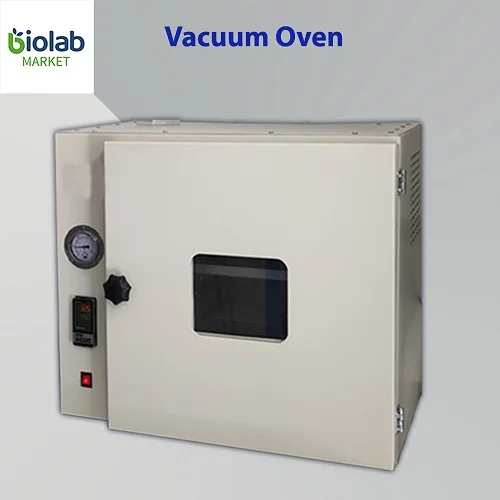
Vacuum oven

Vacuum oven is an essential tool in laboratories and advanced industries for drying heat-sensitive and oxidation-prone materials. The 20-liter and 40-liter models, designed for efficiency and durability, provide precise temperature and vacuum control for a wide range of applications. By creating a controlled vacuum environment, these ovens accelerate drying while protecting materials from oxidation and degradation. This article highlights the features, technical specifications, applications, and advantages of both models to help you choose the right vacuum oven for your needs.


Key Features of the 40-Liter and 20-Liter Vacuum Ovens

These models are designed for high precision, safety, and low energy consumption. Their vacuum structure enables safe drying of flammable solvents and sensitive materials. Common features include:

  • Stainless Steel Chamber: Prevents corrosion and ensures durability with a fully sealed door.
  • Digital PID Control: Precise temperature and vacuum regulation with an LED display.
  • Vacuum and Exhaust Valves: Achieve vacuum levels up to 760 mmHg (approximately 2 mbar).
  • Advanced Thermal Insulation: Ceramic wool or glass insulation to maintain temperature and keep the exterior cool.
  • Double-Glazed Glass Door: Allows process monitoring without opening the door.

The 40-liter model is suited for larger volumes, while the 20-liter model is ideal for smaller, precise tasks.

Technical Specifications

40-Liter Vacuum Oven

Specification Value
Chamber Capacity40 liters
Temperature RangeAmbient +10°C to 200°C
Temperature Accuracy±0.5°C
Ultimate Vacuum760 mmHg (2 mbar)
Heating Element Power1200 W
Voltage/Frequency220V / 50Hz (Single Phase)
Noise LevelLess than 60 dB
WeightApprox. 50 kg
Internal Dimensions (L×W×H)400 × 400 × 250 mm
External Dimensions (L×W×H)700 × 600 × 550 mm
Chamber Material304 Stainless Steel

Technical Specifications

20-Liter Vacuum Oven

Specification Value
Chamber Capacity20 liters
Temperature RangeAmbient +10°C to 200°C
Temperature Accuracy±0.5°C
Ultimate Vacuum760 mmHg (2 mbar)
Heating Element Power800 W
Voltage/Frequency220V / 50Hz (Single Phase)
Noise LevelLess than 60 dB
WeightApprox. 30 kg
Internal Dimensions (L×W×H)300 × 300 × 220 mm
External Dimensions (L×W×H)550 × 500 × 450 mm
Chamber Material304 Stainless Steel

These specifications are based on laboratory standards and data from reputable manufacturers such as Memmert or equivalent models. For specific applications, consult with the supplier.


Applications of Vacuum oven

The 40-liter and 20-liter vacuum ovens, with their precise vacuum and temperature control, are used in various industries and laboratories:

  • Pharmaceutical and Chemical Industries: Drying powders, extracting flammable solvents, and vacuum filtration.
  • Electronics and Semiconductors: Removing moisture from PCBs and sensitive components without oxidation.
  • Food and Cosmetics: Drying heat-sensitive materials to extend shelf life.
  • Research and Laboratories: Sterilization, drying biological samples, and material analysis.
  • Aerospace and Medical Industries: Drying implants and composite materials.

The 20-liter model is ideal for small, precise tasks, while the 40-liter model suits medium-scale production.


Advantages and Disadvantages

Advantages:

  • Fast and Safe Drying: Reduces solvent boiling points and prevents oxidation, up to 6 times faster than standard ovens.
  • High Durability: Stainless steel chamber and advanced insulation, with a lifespan exceeding 10,000 hours.
  • Precise Control: Digital PID controller ensures ±1°C temperature uniformity and stable vacuum.
  • Competitive Price: Cost-effective compared to European models, with comparable quality.

Disadvantages:

  • Requires External Vacuum Pump: Must be purchased separately (e.g., oil-lubricated pumps).
  • Maintenance Sensitivity: Door seals require periodic inspection.


Installation and Maintenance

To ensure optimal performance, follow these guidelines:

  1. Installation: Place in a dry, cool, well-ventilated area. Use anti-vibration mounts.
  2. Vacuum Pump Connection: Connect the vacuum pump with a suitable hose and check vacuum levels.
  3. Cleaning: Clean the chamber after each use and inspect filters monthly.
  4. Troubleshooting: If temperature is uneven, check heating elements or recalibrate the vacuum.

By following these tips, the vacuum ovens can operate reliably for years.


Why Choose the 40-Liter or 20-Liter Vacuum Oven?

In the competitive laboratory equipment market, these models stand out for their excellent balance of capacity, precision, and price. The 20-liter model is perfect for limited spaces and precise tasks, while the 40-liter model is ideal for semi-industrial production. If you’re seeking a device to optimize your drying processes, these vacuum ovens are a smart choice. Contact our experts for purchase or technical consultation and take advantage of special discounts.

Ready to Buy? Contact Us or Request a Quote.

This content is based on standard technical information for vacuum ovens. For precise details, refer to the manufacturer’s catalog.