- sales@biolabmarket.com
- +1 (469) 819-5592

How Do Vacuum Pumps Work?
Vacuum pumps operate by creating a pressure differential, causing gas to flow from the chamber into the pump and then expelling it into the atmosphere or a containment system. The basic categories include:
- Positive Displacement Pumps
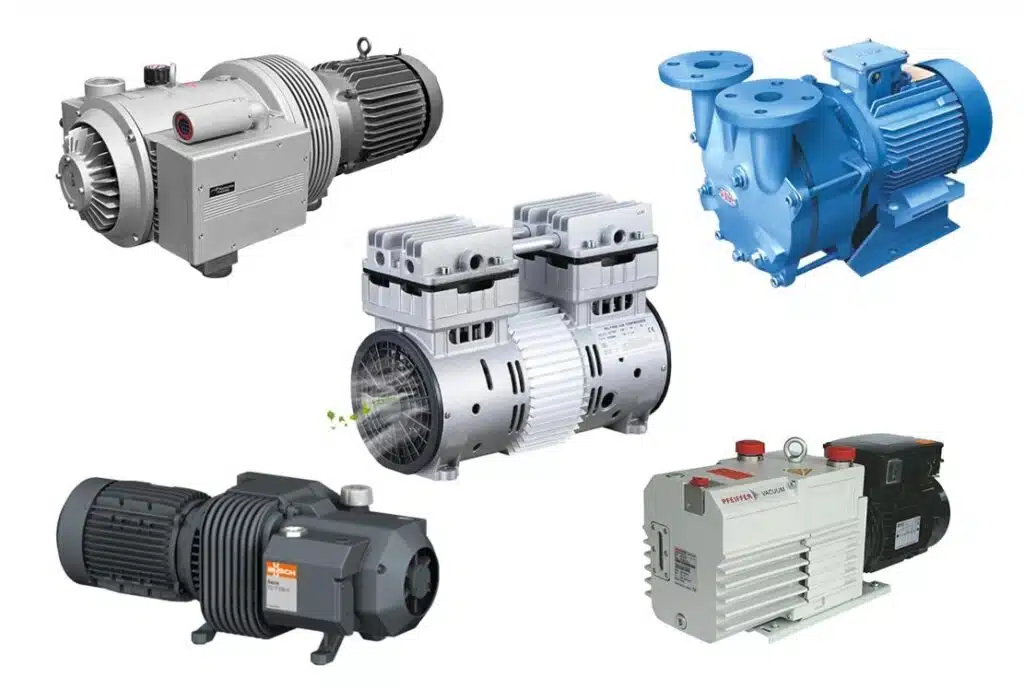
These physically move gas using mechanical components. Common types: rotary vane, diaphragm, piston, and scroll pumps. - Momentum Transfer Pumps
These high-vacuum pumps, such as turbomolecular pumps, accelerate gas molecules to move them out of the system. - Entrapment Pumps
These include cryopumps and ion pumps that capture gas on cold or chemically reactive surfaces.
Each type offers different levels of vacuum and is chosen based on the application’s needs.
Key Performance Factors
When choosing a vacuum pump, consider the following:
- Pumping Speed: How fast it removes gas (liters/second or m³/hour)
- Ultimate Pressure: The lowest pressure it can achieve (Pa, Torr, or mbar)
- Oil-Sealed vs. Dry: Oil pumps like rotary vane offer deeper vacuum; dry pumps are cleaner and lower maintenance
- Stage Design: Single-stage pumps offer moderate vacuum, while dual-stage (like the 2XZ-2B) achieve deeper vacuum levels
Applications of Vacuum Pumps
Vacuum pumps are used across a wide variety of industries and technical fields. Here are the most common applications:
🧪 Laboratories and Research
- Freeze drying (lyophilization)
- Rotary evaporation
- Vacuum ovens
- Glove boxes
- Vacuum filtration
Industrial Applications
- Vacuum packaging
- Resin degassing
- Thermoforming and molding plastics
- Leak detection systems
- Semiconductor production
HVAC and Refrigeration
- Refrigerant evacuation
- Leak testing
- System flushing and dehydration
Pharmaceutical and Medical
- Sterilization and autoclaves
- Capsule filling machines
- Suction and aspiration systems
- Freeze drying of medications
Chemical and Petrochemical
- Vacuum distillation
- Solvent recovery
- Catalyst drying
- Chemical synthesis
Automotive and Aerospace
- Brake line bleeding
- Battery manufacturing
- Vacuum insulation
- Wind tunnel systems
Why the Right Vacuum Pump Matters
The right vacuum pump improves system performance, reduces energy costs, increases safety, and extends the lifespan of your equipment. Whether you’re running a high-tech lab or servicing HVAC systems, a quality vacuum pump is critical to your success.
At Biolab Market, we specialize in affordable, reliable vacuum solutions like the 2XZ-2B oil-sealed rotary vane vacuum pump, known for its deep vacuum capability, quiet operation, and dependable performance.