- sales@biolabmarket.com
- +1 (469) 819-5592

7 Fun and Surprising Facts About Vacuum Ovens You Probably Didn’t Know
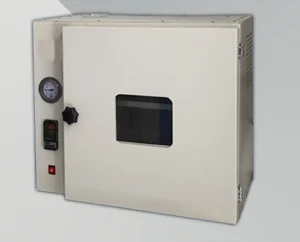
Vacuum ovens may not be the first thing that comes to mind when you think of cool lab equipment, but they are far more interesting than they seem. These machines are widely used in labs and industries for precise drying, solvent removal, and heat-sensitive processes—but the stories, facts, and quirks behind them are surprisingly fun. Let’s explore some of the most fascinating things about vacuum ovens.
From Space Labs to Your Lab Bench
Vacuum technology isn’t new. The earliest vacuum ovens were developed in the early 20th century to handle sensitive chemical processes. Interestingly, some of their first uses were in aerospace and space research. Scientists discovered that removing air could significantly reduce oxidation and contamination, which was critical for delicate experiments. Over time, vacuum ovens became more accessible, making their way into pharmaceutical labs, electronics manufacturing, and even food processing. So, when you see a shiny vacuum oven in a lab, you’re looking at a piece of equipment with roots in space-age innovation.
Why the Vacuum Matters
Why remove air at all? Air isn’t just empty space—it contains oxygen and moisture that can harm delicate materials when heated. By creating a vacuum, these ovens allow heat-sensitive compounds to dry without oxidation or degradation. Imagine trying to dry a fragile herbal extract or a sensitive polymer in a regular oven—you’d likely lose essential compounds or damage the material. Vacuum ovens elegantly solve this problem, which is why chemists, pharmacists, and material scientists love them.
The Science Behind the Magic
The magic happens because a vacuum lowers the boiling point of liquids. In simpler terms, water or solvents can evaporate at much lower temperatures than normal. This not only prevents burning or degradation but also speeds up drying. A sample that might take hours to dry in a conventional oven could be ready in minutes inside a vacuum oven. It’s kind of like cooking at high altitudes—water boils faster at lower pressure.
Unexpected Uses
While labs are the most common home for vacuum ovens, they have some surprising applications:
- Food Industry: Some premium chocolate makers use vacuum ovens to remove moisture without affecting flavor or texture.
- Electronics: They help remove leftover solvents from delicate circuit boards, preventing short circuits or corrosion.
- Art Restoration: Conservators sometimes use vacuum ovens to dry fragile pigments or ancient materials without causing cracks.
It’s fascinating how one lab tool can find a place in food, art, and electronics, showing that science often pops up in unexpected places.
Funny Lab Stories
Working with vacuum ovens isn’t always smooth. One classic story involves a researcher forgetting to properly seal a container. When the vacuum kicked in, the container literally “exploded” inside the oven, scattering harmless but colorful powders everywhere. Another team once tried drying gelatinous samples. They set the temperature too high, and instead of drying, the samples turned into sticky blobs that took hours to clean. These stories remind us that even precise machines need human attention—and a sense of humor.
A Lesson in Patience
Despite being efficient, vacuum ovens teach an important lesson: patience. Because the drying process is controlled and low-temperature, rushing it can ruin samples—especially sensitive pharmaceutical compounds or delicate polymers. Scientists often joke that vacuum ovens are like meditation tools—they force you to slow down and let science happen at its own pace.
Quiet but Powerful
One underrated feature of vacuum ovens is how quiet they are. Even while creating a strong vacuum and precisely controlling temperature, they hum along silently compared to noisy industrial dryers. Inside that calm, quiet box, a highly controlled and energetic process is transforming sensitive materials with surgical precision—a quiet kind of magic.
Conclusion
Vacuum ovens might seem ordinary at first glance, but they have a rich history, fascinating science, and even a few funny lab stories. From their space-age beginnings to modern labs, kitchens, and art studios, they show that science is everywhere—sometimes quietly working behind the scenes. Next time you see a vacuum oven, remember: it’s not just a box that removes air; it’s a tool for innovation, precision, and a little bit of magic.